Marble Is a Natural Stone — and That Means No Two Slabs Are Identical
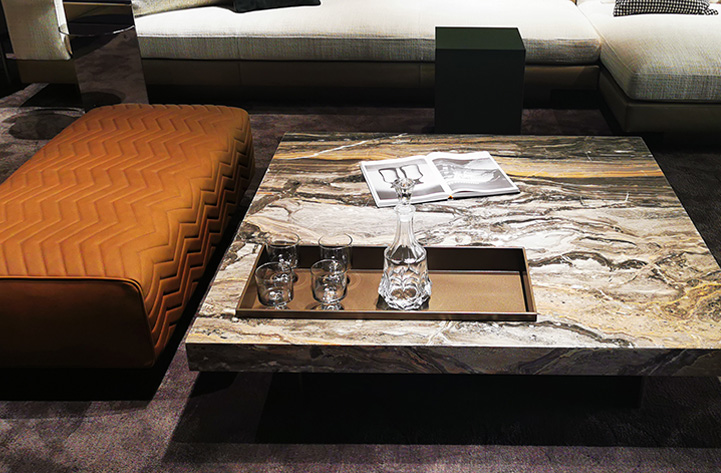
One of the most appealing qualities of marble is also one of the most important things to understand before purchasing: it is a natural metamorphic rock, formed over millions of years under heat and pressure deep within the earth. Because it is quarried directly from the ground, every slab carries a unique pattern of veining, color variation, and texture. The veins you see — those dramatic sweeping lines of gray, gold, green, or rust — are created by mineral impurities such as clay, silt, sand, iron oxides, and chert that were present during the stone's formation.
This means that when you select a marble slab at a stone yard, what you see is exactly what you get — and nothing else will ever look exactly like it. For homeowners who want a countertop with genuine character and visual depth, this is a major advantage. For those who need perfectly consistent, uniform coloring across a large kitchen island, marble can be challenging because matching multiple slabs from the same lot requires careful selection. Always inspect full slabs in person before purchasing rather than relying on small samples, and if your project spans multiple slabs, ask the supplier to book-match or sequence-match the pieces for the most cohesive result.
Marble Is Porous and Will Stain Without Proper Sealing
Unlike engineered quartz or granite, marble is a relatively soft, porous stone with a calcium carbonate composition. This porosity means that liquids — especially acidic ones — can penetrate the surface if it is not properly sealed and maintained. Common kitchen substances like red wine, coffee, olive oil, lemon juice, and tomato sauce can seep into unsealed marble and leave permanent stains that no amount of surface cleaning will remove.
Sealing is not optional — it is a mandatory step in marble countertop care. A high-quality penetrating sealer (also called an impregnating sealer) is applied to the stone surface, where it fills the pores and creates a barrier against liquid absorption without altering the surface appearance. For kitchen countertops, most professionals recommend sealing marble every 6 to 12 months, depending on usage intensity and the specific stone. Here is a simple test to know when resealing is needed: drop a few tablespoons of water onto the surface. If the water beads up, the seal is intact. If it absorbs within a few minutes and darkens the stone, it is time to reseal.
Acids Are Marble's Biggest Enemy — Etching Is Not the Same as Staining
This is one of the most misunderstood aspects of marble ownership, and it catches many homeowners off guard. Etching is a chemical reaction that occurs when acidic substances come into contact with the calcium carbonate in marble. The acid dissolves a microscopic layer of the stone surface, leaving a dull, matte spot that looks lighter or hazier than the surrounding polished marble. Unlike a stain — which is a substance trapped inside the pores of the stone — an etch is actual surface damage. It cannot be wiped away.
Common culprits include lemon juice, vinegar, wine, citrus-based cleaners, and even some bathroom products like toothpaste and certain mouthwashes. The reaction happens quickly — sometimes in seconds — which is why spills on marble must be blotted immediately rather than wiped (wiping spreads the acid). Minor etching can often be polished out using a marble polishing powder or a fine-grit diamond hand pad, but deep etching may require professional refinishing. For high-use kitchens where acidic spills are frequent, homeowners often opt for a honed (matte) finish rather than a polished one, since etching is far less visible on a matte surface.
Understanding Marble Grades and Finishes Before You Buy
Not all marble is equal. The industry categorizes marble into grades based on the consistency of veining, the number of natural fissures or pits, and the overall structural integrity of the slab. While grading systems vary between suppliers, a general framework looks like this:
| Grade |
Characteristics |
Best Use |
| Grade A |
Uniform veining, minimal fissures, consistent color |
Kitchen countertops, high-visibility surfaces |
| Grade B |
Some variation, minor fissures, may require filling |
Bathroom vanities, accent walls |
| Grade C |
Significant variation, fissures, inconsistency |
Flooring, lower-visibility applications |
| Grade D |
Heavy variation, many voids, requires extensive repair |
Decorative or non-structural uses only |
Beyond grade, finish selection matters enormously for both aesthetics and practicality. A polished finish reflects light beautifully and amplifies the depth of veining, but shows etching and fingerprints more readily. A honed finish is satin-smooth and matte, concealing everyday wear far better, though it does absorb spills slightly faster. A leathered or brushed finish adds tactile texture and is increasingly popular for its rustic elegance and practical durability in family kitchens.
The Real Cost of Marble Countertops — Material, Fabrication, and Long-Term Maintenance
Marble countertops represent a significant investment, and understanding the full cost picture upfront prevents budget surprises. The price of marble varies enormously depending on the variety, origin, and grade of the stone. Entry-level marbles such as Carrara can be relatively affordable, while rare varieties like Calacatta Gold, Paonazzo, or Statuario command premium prices. Here is a general cost range to orient your planning:
- Carrara marble: $40–$100 per square foot installed, depending on region and fabricator
- Calacatta marble: $100–$200 per square foot installed, with rare book-matched slabs reaching higher
- Fabrication and installation: typically $30–$60 per square foot on top of material costs
- Edge profiles, cutouts for sinks, and waterfall edges add additional fabrication costs
- Annual sealing products: $20–$60 per application, or $100–$300 if done professionally
Beyond the initial installation, factor in the ongoing cost of professional polishing and refinishing if etching becomes significant over time. In heavily used kitchens, a full professional restoration every 5–10 years is not uncommon. Despite these costs, many homeowners consider marble a worthwhile long-term investment because it adds demonstrable resale value to a home and, with proper care, can last a lifetime.
Daily Care Habits That Protect Your Marble Countertop
Marble countertop longevity is directly tied to consistent, informed daily care. The good news is that the right habits are simple once they become routine. The wrong habits — even well-intentioned ones — can accelerate damage significantly.
What To Do
- Wipe up spills immediately by blotting with a clean, dry cloth — do not rub or spread
- Clean with pH-neutral stone soap or a dedicated marble cleaner diluted in warm water
- Use cutting boards at all times — marble scratches more easily than granite or quartz
- Place trivets or hot pads under warm pots and pans to prevent thermal shock cracking
- Use coasters under glasses, especially those containing wine, juice, or carbonated drinks
What To Avoid
- Never use vinegar, lemon juice, bleach, or ammonia-based cleaners — these etch marble instantly
- Avoid abrasive scrubbing pads or powdered cleansers that scratch the polished surface
- Do not use generic multi-surface sprays — many contain citric acid or other stone-damaging agents
- Avoid leaving wet items — soap dispensers, bottles, or damp cloths — sitting directly on the surface
Marble vs. Alternatives: How It Compares to Quartz and Granite
For homeowners weighing their options, it helps to see how marble stacks up directly against the two most popular alternative countertop materials — engineered quartz and granite. Each has a distinct profile of strengths and trade-offs:
| Feature |
Marble |
Quartz |
Granite |
| Scratch Resistance |
Moderate |
High |
Very High |
| Acid/Etch Resistance |
Low |
High |
High |
| Stain Resistance (sealed) |
Moderate |
Very High |
High |
| Heat Resistance |
Moderate |
Low–Moderate |
High |
| Aesthetic Uniqueness |
Very High |
Moderate |
High |
| Maintenance Level |
High |
Low |
Low–Moderate |
| Resale Value Impact |
High |
High |
High |
Quartz offers the lowest maintenance profile and the most consistent appearance, making it ideal for busy family kitchens. Granite offers natural beauty with greater durability than marble. But neither can replicate the timeless elegance, translucency, and depth of veining that defines true marble. If aesthetics is your priority and you are prepared to commit to its care requirements, marble remains in a class of its own.
The Patina Factor: Why Some Homeowners Embrace Marble's Aging Process
Here is a perspective shift that changes how many people feel about marble's maintenance demands: some of the world's most celebrated marble surfaces — in ancient buildings, historic kitchens, and beloved farmhouses — are worn, etched, and marked by centuries of use. This aged appearance, known as patina, is increasingly embraced rather than avoided in interior design. The soft, lived-in quality that develops on a heavily used honed Carrara marble countertop over years of cooking, cleaning, and daily life can be extraordinarily beautiful in the right setting.
If perfection is your standard, marble will frustrate you. But if you appreciate a material that tells the story of your home and grows more characterful with time, marble rewards that mindset generously. Many homeowners who initially worried about etching and staining find that, a few years in, the overall patina of their marble countertop has become their favorite thing about it — a surface that is genuinely irreplaceable and uniquely their own. Understanding this from the outset helps set realistic expectations and allows you to enjoy marble for what it truly is: a living, evolving natural material, not a manufactured product engineered for zero maintenance.