Marble wall tiles occupy a distinct category in the world of surface materials. They are not simply a decorative choice — they represent a carefully engineered product designed to bring the timeless beauty of natural stone into practical, everyday architectural applications. Understanding why marble wall tiles are manufactured, and what separates them from a standard painted or plastered wall, helps homeowners, architects, and contractors make more informed decisions about where and how to use them.
The Purpose Behind Manufacturing Marble Wall Tiles
Marble in its raw form is a dense metamorphic rock formed from limestone subjected to intense heat and pressure over millions of years. While it has been used as a building material since antiquity, raw marble slabs are heavy, expensive to transport, difficult to cut on-site, and impractical for most wall applications. Marble wall tiles solve these problems by transforming raw stone into standardized, thinner, lighter units that are manageable for installation without sacrificing the material's inherent qualities.
The manufacturing process is also driven by demand for consistency. A quarried marble slab can vary significantly in veining, coloration, and thickness from one piece to the next. Tile manufacturing involves precision cutting, calibration, and surface finishing that brings a degree of uniformity to the product — critical for large-scale commercial projects or grid-pattern residential installations where visual alignment matters.
Beyond aesthetics, marble wall tiles are produced to serve functional roles: moisture resistance in bathrooms, heat resilience in kitchens, and hygienic, easy-to-clean surfaces in medical or hospitality environments. These aren't accidental benefits — they are part of why the tile form factor was developed in the first place.
How Marble Wall Tiles Are Made
The journey from quarry to finished tile involves multiple stages, each affecting the final product's appearance and performance.
Quarrying and Block Cutting
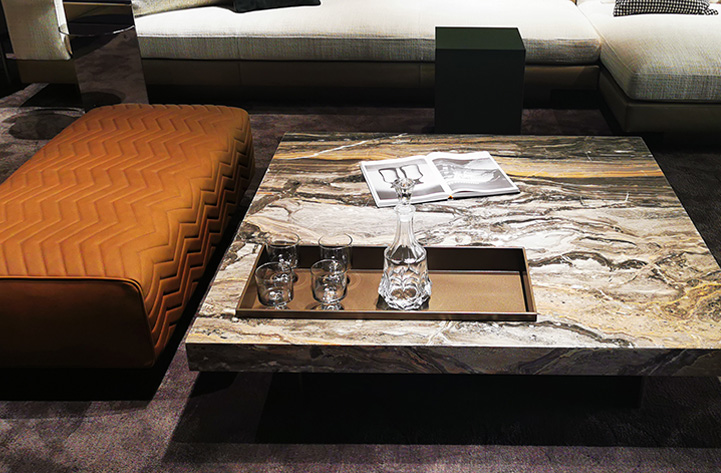
Marble is extracted from quarries using diamond wire saws and channeling machines. Large blocks — often weighing several tonnes — are cut into slabs, typically 2–3 cm thick for standard tiles. The origin of the marble matters enormously: Carrara marble from Italy, Calacatta, Emperador from Spain, and Statuario each carry distinct vein patterns and background tones that cannot be replicated artificially.
Calibration and Surface Finishing
Slabs are sent through calibrating machines that grind them to a uniform thickness — usually between 8 mm and 12 mm for wall tiles. After calibration, tiles go through surface finishing. The most common finishes include:
- Polished: High-gloss finish that amplifies veining and depth; most popular for interior walls.
- Honed: Matte or satin finish achieved by stopping the polishing process early; less reflective, more contemporary.
- Brushed: A textured surface created by wire brushing; gives an aged or rustic character.
- Tumbled: Edges and surfaces are tumbled together to create a worn, antique appearance.
Cutting to Size and Quality Grading
Slabs are then precision-cut into tile dimensions — common sizes include 30×60 cm, 60×60 cm, and large-format 60×120 cm tiles for feature walls. Every tile is graded for quality: first-choice tiles show consistent veining with no cracks or pitting; second- and third-choice tiles may be used in less visible areas or for budget applications.
Marble Wall Tiles vs. Ordinary Walls: A Practical Comparison
When most people refer to an "ordinary wall," they typically mean a plastered, painted, or wallpapered surface — or perhaps ceramic tile. The differences between these and genuine marble wall tiles are substantial across multiple dimensions.
| Feature |
Marble Wall Tiles |
Ordinary Painted/Plastered Wall |
Standard Ceramic Tile |
| Material origin |
Natural stone |
Cement/gypsum + paint |
Fired clay or porcelain |
| Durability |
Very high (50–100+ years) |
Low to medium (repainting every 5–10 yrs) |
High, but surface glaze can chip |
| Moisture resistance |
High (when sealed) |
Low; prone to mold and peeling |
High |
| Appearance uniqueness |
Every tile is unique (natural veins) |
Uniform; limited visual depth |
Printed pattern; repetitive |
| Maintenance |
Periodic sealing required |
Easy but frequent repainting |
Low; grout cleaning needed |
| Property value impact |
Significantly increases value |
Neutral or minor |
Minor positive |
Comparison of marble wall tiles against ordinary wall finishes and standard ceramic tile
Key Performance Advantages That Set Marble Apart
Marble wall tiles don't just look different — they perform differently in ways that compound over time.
Thermal Mass and Temperature Regulation
Natural stone has inherent thermal mass properties. Marble wall tiles absorb and slowly release heat, which can contribute to more stable interior temperatures. In warmer climates, marble walls feel cool to the touch, providing a natural comfort benefit that painted drywall or plaster cannot replicate.
Hygienic Surface Properties
A properly sealed and polished marble tile surface is non-porous, meaning bacteria, mold spores, and allergens have nowhere to embed. This is a critical distinction from painted plaster, which is inherently porous and can harbor microbial growth — particularly in humid environments like bathrooms or commercial kitchens. Hospitals and food service facilities have historically used stone surfaces precisely for this reason.
Light Interaction and Visual Depth
One of the most underappreciated qualities of polished marble tile is the way it interacts with light. Unlike paint or ceramic, marble has a crystalline structure that allows light to penetrate slightly below the surface before reflecting back — a property called translucency. This creates a sense of visual depth and warmth that printed or flat-painted surfaces simply cannot achieve. A marble feature wall in a living room or hotel lobby changes appearance throughout the day as natural light shifts.
Long-Term Value Retention
Real estate research consistently shows that natural stone finishes, including marble, increase perceived and actual property value. According to industry surveys, bathrooms and kitchens featuring natural stone surfaces command premium resale premiums of between 10% and 25% over comparable properties with standard finishes. An ordinary painted wall depreciates in appearance almost immediately; a marble wall tile installation retains — and often appreciates — its value over decades.
Where Marble Wall Tiles Deliver the Most Value
Not every wall application calls for marble, but there are specific environments where the investment delivers clear, measurable benefits:
- Bathrooms: Shower surrounds, wet walls, and vanity backsplashes benefit from marble's moisture resistance and easy sanitation. White Carrara or grey Bardiglio marble in a bathroom signals quality and elevates the space immediately.
- Kitchen backsplashes: The area behind a hob or sink endures heat, grease, and water. A honed marble tile here is both practical and visually striking — far more distinctive than painted tile or laminated panels.
- Feature walls in living areas: A single accent wall clad in large-format marble tiles — particularly dramatic vein-cut pieces of Calacatta Gold or Nero Marquina — can anchor an entire room's design concept without overwhelming it.
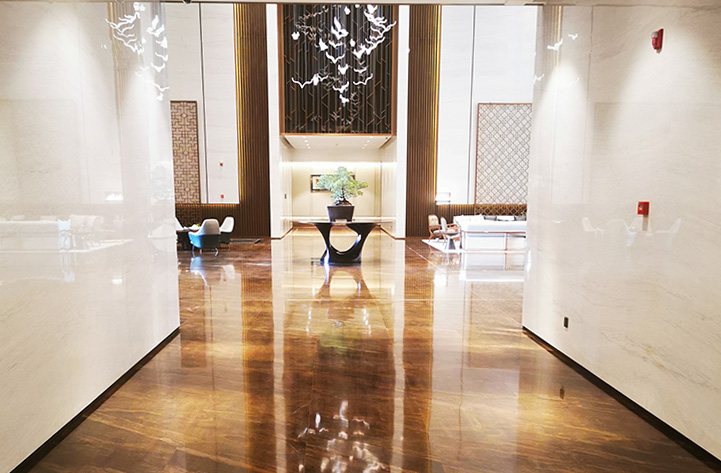
- Hotel lobbies and commercial receptions: First impressions in commercial settings are heavily influenced by material quality. Marble wall cladding in reception areas communicates permanence and investment that competitors using ordinary finishes cannot replicate.
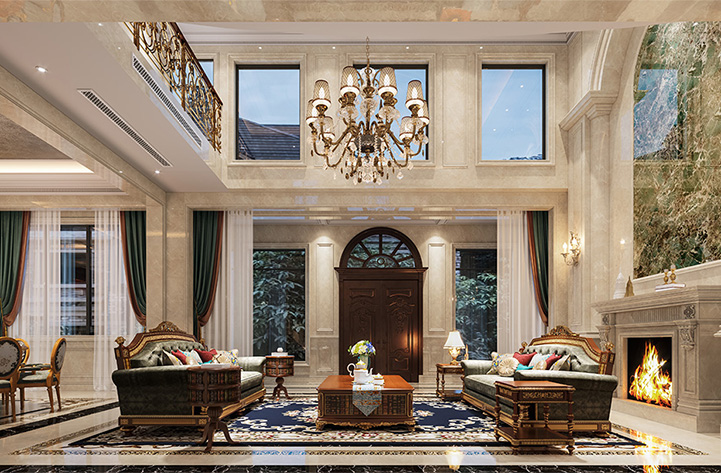
- Fireplace surrounds: Marble's heat-resistance and the visual warmth of its veining make it a historically ideal material for fireplace walls and surrounds.
What to Consider Before Choosing Marble Wall Tiles
Marble wall tiles are a considered investment. Before specifying them, it is worth evaluating several practical factors to ensure the installation performs as expected over the long term.
Sealing requirements: Marble is a calcium-based stone that is susceptible to etching from acidic substances — lemon juice, vinegar, certain cleaning products — if left unsealed. A high-quality penetrating sealer should be applied before grouting and refreshed every one to three years depending on usage intensity.
Weight considerations: Even thin-gauge marble wall tiles are heavier than ceramic. Standard 10 mm marble tiles weigh approximately 25–27 kg per square metre. The substrate wall must be structurally sound, and the correct tile adhesive — typically a flexible, white cement-based adhesive — must be used to prevent long-term debonding.
Matching and bookmatching: Because each marble tile comes from a natural slab, veins and background tones can shift across a batch. For large installations, it is advisable to purchase tiles from the same production lot and lay them out before installation to plan the most harmonious arrangement. Bookmatching — mirroring adjacent tiles cut from the same slab — is a premium technique used on feature walls to create symmetrical vein patterns.
Marble wall tiles are ultimately the product of a manufacturing philosophy that respects the material's natural character while adapting it to the demands of contemporary construction. The result is a wall surface that no painted or standard ceramic finish can genuinely replicate — in appearance, performance, or longevity.